


Brain Food Is More Than a Buzzword: Omega-3s, DHA & Brain Health

We talk about food for strong bones, a healthy heart, and growing muscles, but when was the last time you thought about what you’re feeding your brain?
“Brain food” has become a popular phrase, attached to everything from blueberries and walnuts to dark chocolate. But behind the buzzword is a surprisingly simple idea: your brain is part of your body, and like every other part, it relies on the nutrients you give it. Taking care of your brain isn’t about finding one magical superfood. It’s about building a nutritional foundation that supports it day after day.
Your Brain Has an Appetite
Your brain may spend its days helping you remember passwords, solve problems, make decisions, and figure out where you left your keys, but underneath all that thinking is a physical organ with very real nutritional needs. A balanced diet provides energy and an assortment of nutrients the brain uses, which means fruits and vegetables, whole grains, proteins, and healthy fats can all have a place on the menu.
That last one—fat—is especially interesting. For decades, fat was often treated like something health-conscious people should avoid. Today, we know the picture is more nuanced: not all fats are the same, and certain fatty acids play important roles throughout the body, including in the brain.
What Is DHA and Why Is It Important for the Brain?
Omega-3 fatty acids are a family of fats that includes ALA, EPA & DHA. While they share the Omega-3 name, they aren’t interchangeable, and each has different roles within the body.
DHA, or docosahexaenoic acid, has a particularly interesting relationship with the brain. DHA is an important component of brain structure, and research supports its role in healthy brain function. That’s one reason fat deserves a place in the “brain food” conversation. It isn’t simply about eating more fat; the types of fats in our diets matter.
So, What Actually Counts as Brain Food?
There isn’t one food that deserves the title of “best brain food.” Instead, think about the bigger picture: consistently eating a varied, nutrient-dense diet that includes healthy fats and sources of Omega-3 fatty acids.
Fatty fish such as salmon, sardines, mackerel, and herring are dietary sources of EPA & DHA. Plant foods including flaxseed, chia seeds, and walnuts provide ALA, another member of the Omega-3 family.
Beyond Omega-3s, a varied diet provides the vitamins, minerals, proteins, carbohydrates, and fats your body—and brain—use every day. So instead of asking, “What’s the best food for my brain?” try a more useful question: “Am I consistently giving my brain the nutrition it needs?” It may not make as catchy a headline as the latest superfood, but it’s a much more practical way to think about brain nutrition.
Can Omega-3 Supplements Help Fill a Nutritional Gap?
Food comes first, but real life doesn’t always cooperate. Maybe fish doesn’t regularly make it onto your family’s dinner menu. Maybe you simply don’t enjoy eating it. Or maybe you’re looking for a convenient way to add EPA & DHA to your daily routine. That’s where an Omega-3 supplement can help fill the gap.
When choosing, look beyond the words “Fish Oil” on the front of the bottle. Be sure to check out how much EPA & DHA each serving actually provides. Consider where the oil comes from, how the product is made, and what quality and sustainability standards stand behind it.
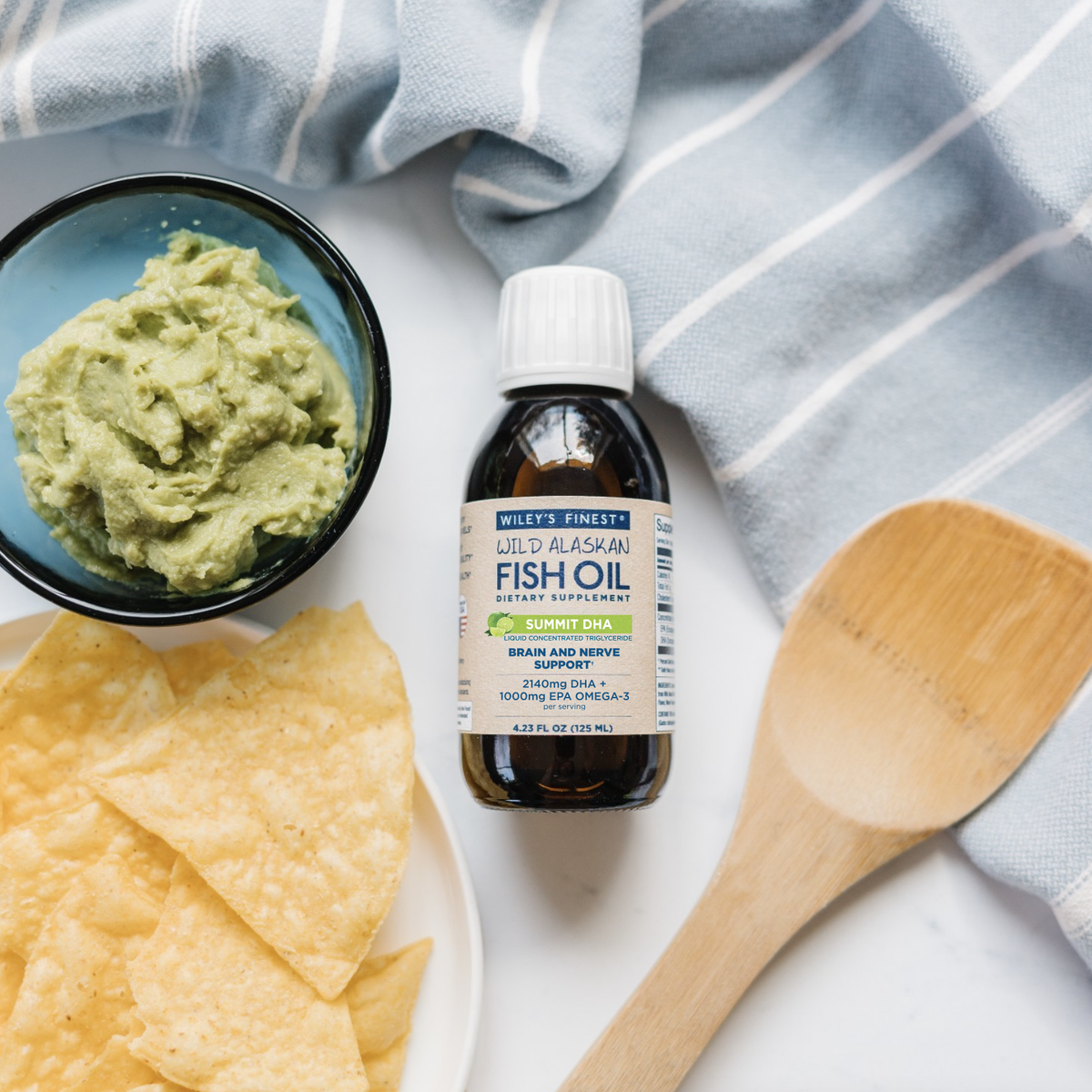
At Wiley’s Finest®, Omega-3 expertise has been part of our story since the beginning. Our Wild Alaskan Fish Oil products are made with sustainably sourced Wild Alaska Pollock and formulated to make high-quality Omega-3s an easy addition to everyday nutrition. Because a strong nutritional foundation isn’t built by what you do once in a while; it’s built through small choices you can realistically make again and again.
Brain Health Is About the Bigger Picture
World Mental Health Day, observed each October, is a reminder that caring for our mental well-being can take many forms. Nutrition is one part of a much bigger picture that also includes movement, quality sleep, time outdoors, meaningful relationships, opportunities to rest, and support from a qualified mental health professional when needed.
Caring for yourself doesn’t require overhauling your life overnight. It can look like taking a walk, preparing a nourishing meal, getting enough rest, talking with someone you care about, or simply paying a little more attention to what you put on your plate. “Brain food” isn’t a magic ingredient or the latest nutritional trend. It’s part of something much bigger: nourishing the brain that helps you think, learn, remember, connect, and experience the moments that make up your life.
References
Sun GY, et al. Prostaglandins Leukot Essent Fatty Acids 2018;136:3-13.
von Schacky C. Nutrients 2021;13(4):1074.
Chang CY, et al. Acta Neurol Taiwan 2009;18(4):231-241.
*These statements have not been evaluated by the Food and Drug Administration. This product is not intended to diagnose, treat, cure or prevent any disease.