


What Makes a Fish Oil Worth Trusting?
Walk into any supplement aisle and you’ll see shelves lined with fish oil products making nearly identical promises: “Pure.” “Potent.” “Heart healthy.” “Brain support.” “Doctor recommended.” But for many shoppers, the real feeling isn’t confidence – it’s skepticism – and that skepticism is earned.
People have become more informed about what goes into their bodies. They’ve seen recalls, misleading labels, mystery sourcing, and low-quality supplements sold with polished marketing. So, when it comes to fish oil specifically, questions naturally arise:
-
Where did this oil come from?
-
How was it processed?
-
Is it actually fresh?
-
Can I trust what’s on the label?
-
And, of course — is this product something I want to take every day?
A trustworthy fish oil isn’t built on flashy claims. It’s built on transparency, consistency, and proof.
Trust Starts With the Source
One of the biggest differences between fish oil supplements is where the fish actually come from – many shoppers assume all fish oil is essentially the same. It isn’t. 
The quality of Omega-3s begins long before the bottle reaches your kitchen. Responsible sourcing matters because fish naturally absorb contaminants from their environment. Poor sourcing can lead to lower quality oils, inconsistent purity, and environmental concerns. That’s why reputable brands openly share where their fish are harvested and how they’re managed.
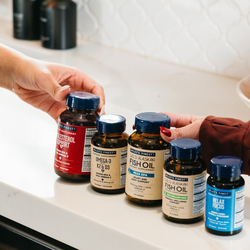
For example, Wiley’s Finest® Wild Alaskan Fish Oil is sourced from Wild Alaskan Pollock harvested from responsibly managed fisheries and manufactured in the USA. Additionally, certifications like those from the MSC (Marine Stewardship Council) help verify that sourcing meets recognized sustainability standards.
Transparency around sourcing signals something important: the company has nothing to hide.
Freshness Really Matters
Fish oil should not smell overwhelmingly fishy. That may sound obvious, but many people have normalized unpleasant aftertastes, fishy burps, or rancid-smelling oils as “just part of taking Omega-3s.” In reality, those experiences can indicate compromised freshness or oxidation. Fresh fish oil should taste clean and mild.
One of the first things loyal fish oil users notice when they switch to a higher-quality product is a consistently fresh taste. That consistency builds confidence because we don’t want to wonder whether each bottle will be different from the last.
Certifications Help Build Trust
Shoppers today are looking for verification — not just promises.
Anyone can make a claim on a label, but trust is built through proof. Independent certifications, third-party testing, and transparent quality standards provide an added layer of accountability by requiring companies to meet measurable benchmarks for quality, safety, sourcing, and manufacturing practices. For many shoppers, these validations play an important role in purchasing decisions because they help confirm that a Fish Oil meets expectations for purity, consistency, and responsible production.
Certifications don’t replace research, but they can help you feel reassured that a product has been held to measurable standards. When evaluating a fish oil, look for brands that clearly communicate:
-
Sustainability and quality certifications
-
Manufacturing standards
-
Purity testing
-
Traceability
-
Country of origin
Brands that openly share these details are usually more invested in long-term trust than short-term marketing.
Proof — Not Hype
Today’s supplement shopper is smarter than ever. You read labels. You compare ingredients. You research nutrient levels. You check reviews and question vague wellness claims. And more than ever, you want brands to educate rather than simply sell.
This reflects a larger shift happening across the supplement industry: trust is becoming more influential than advertising. We get it - you don't want exaggerated promises – you want brands that explain why ingredients matter, how products are made, what standards are followed, and how quality is verified.
This kind of transparency empowers you to make informed decisions instead of relying on marketing alone.
A Trustworthy Supplement Fits Real Life
Trust also comes from consistency over time.
-
Does the product arrive fresh?
-
Is the company responsive?
-
Is the packaging thoughtful?
-
Can you easily understand what you're buying?
These practical details matter because they shape the everyday experience of using a supplement.
When you choose a supplement to take every day, you want to feel certain you've made a good decision. From the moment it arrives at your door to the information on the label, every detail should reinforce that confidence.
The Bottom Line
A fish oil worth trusting doesn’t ask you to simply “take our word for it.”
It proves itself through:
-
transparent sourcing
-
freshness
-
responsible manufacturing
-
third-party certifications
-
consistent quality
-
and honest education
At Wiley’s Finest, we understand that when you're choosing a fish oil supplement, you don’t need more promises—you need reasons to believe. And that's where trust matters most.


