



Not All Fish Oil Is Equal: What Labels Don’t Tell You About Alaskan Omega-3s

“Sustainably sourced” is one of the most common phrases on supplement labels—but it rarely tells the full story.
Standards vary. Definitions shift. And what sits behind that claim is often unclear; so, the better question isn’t about what the label says—it’s about what system stands behind it.
That’s where Alaska is different. In Alaska, sustainability isn’t a marketing term. It’s written into law—and that fundamentally changes how fish are managed, harvested, and ultimately, how your fish oil begins.
What Makes Alaska Different
Alaska manages its fisheries under a principle that is both simple and strict: natural resources must be sustained for future generations.
This isn’t voluntary. Article VIII of the Alaska State Constitution requires fisheries to operate on a “sustained yield” basis—meaning fish populations must remain healthy and productive over time. 
To meet that standard, Alaska’s fisheries are built on:
-
Science-based catch limits set by independent experts
-
Continuous monitoring of fish populations and ecosystem health
-
Strict regulations designed to prevent overfishing
-
Active enforcement and oversight
This system prioritizes long-term stewardship over short-term gain.
In other words, sustainability isn’t something added later—it’s the foundation the entire system operates on.
Why Wild Alaska Pollock Matters
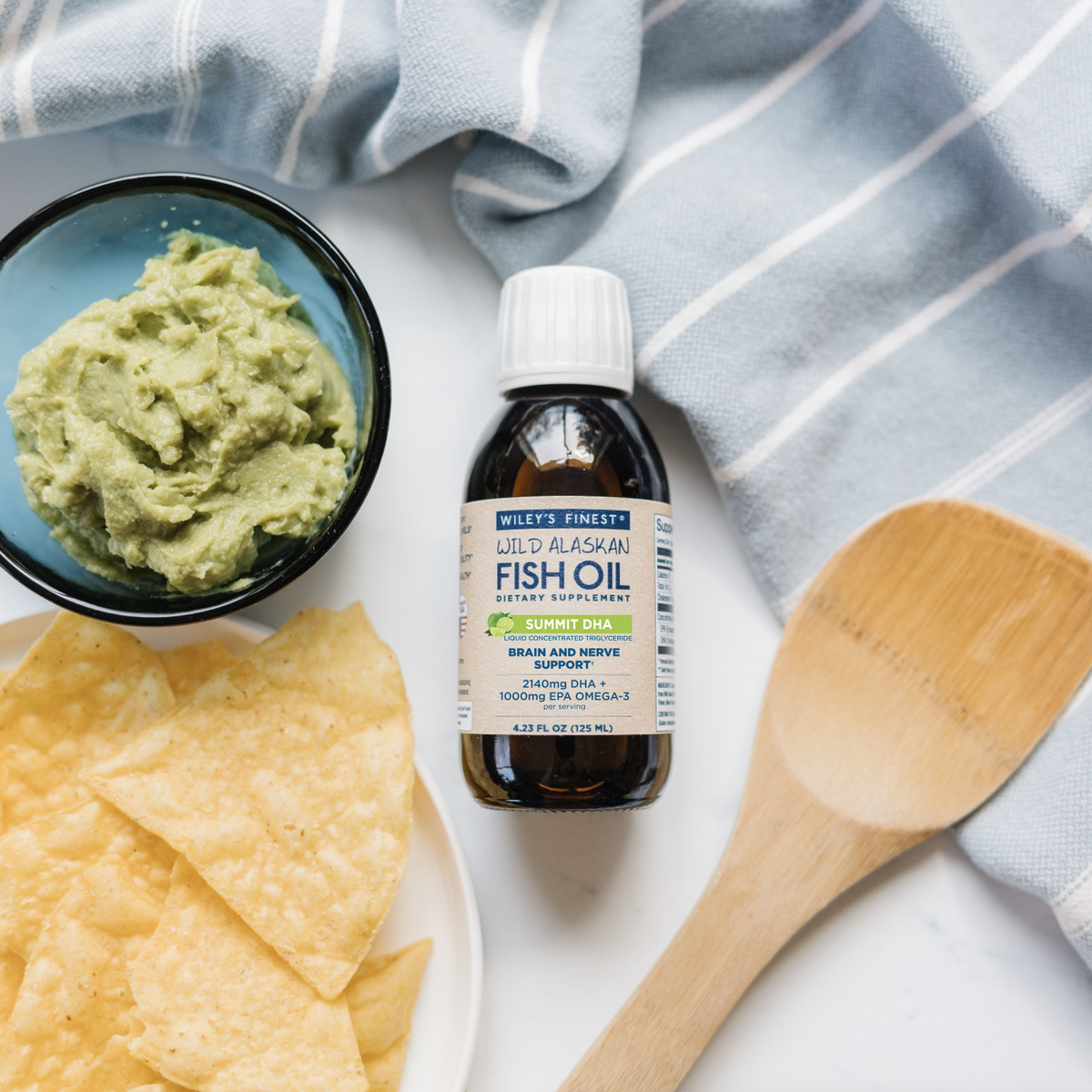
Wiley’s Finest® uses Wild Alaska Pollock exclusively in its Wild Alaskan Fish Oil products—because where your Omega-3 begins determines everything that follows. These fisheries operate within Alaska’s constitutionally mandated system and are also certified by the Marine Stewardship Council (MSC), a globally recognized third-party organization.
MSC certification requires fisheries to demonstrate:
-
Healthy, stable fish populations
-
Minimal impact on surrounding ecosystems
-
Effective, transparent management practices
The Wild Alaska Pollock fishery is one of the largest and most closely monitored in the world, with multiple layers of scientific review and regulatory oversight.
Together, this creates a level of accountability that goes far beyond a front-of-label claim.
Why This Matters for Your Fish Oil
Omega-3 EPA & DHA are concentrated nutrients, and as one Wiley’s Finest customer pointed out, when you’re concentrating fish oil, you’re concentrating everything contained in it. That’s why sourcing isn’t just an environmental issue—it’s a quality issue.
The condition of the fish, and the waters they come from, directly shapes the final product.
Starting with responsibly managed fisheries helps support:
-
Consistency from batch to batch
-
A stable, traceable supply chain
-
Greater confidence in what you’re taking daily
Consumers understand this intuitively. They want to know where their supplements come from—and whether they can trust them.
Sustainability, in this context, becomes something more personal. It’s not just about the ocean; it’s about what you’re putting into your body every day.
From Sea to Shelf: A Higher Standard
Wiley’s Finest® Wild Alaskan Fish Oil begins with responsibly managed Alaska fisheries—and carries that standard through every step of production.

Our fish oil is sourced exclusively from Wild Alaska Pollock harvested from MSC-certified fisheries, with full traceability from ocean to finished product. It is produced in the USA using controlled manufacturing processes and third-party testing to help ensure consistent quality.
Every step matters—but the most important step happens first, because when your Omega-3 begins in a system where sustainability is required—not optional—you start from a fundamentally higher standard.
Confidence, From the Start
This Earth Day, sustainability isn’t just about what a brand says—it’s about the system behind it.
In Alaska, that system is built into law, guided by science, and reinforced through independent certification.
That foundation carries through—from the fish, to the oil, to your daily routine.
And when sustainability starts at the source, it becomes something you don’t have to question.
Read more
What if your dry skin isn’t from a lack of moisture — but from losing it?Your skin barrier plays a bigger role in hydration than most people realize. Every day, your skin loses water through a natu...

For years, Omega-3 supplements have been associated with heart health. But today, a new wave of research is shifting that conversation toward something deeper: how Omega-3 nutrition influences the...